ESMOD discusses fashion business education by 2030, focusing on AI, sustainability, and evolving industry roles.
What happened
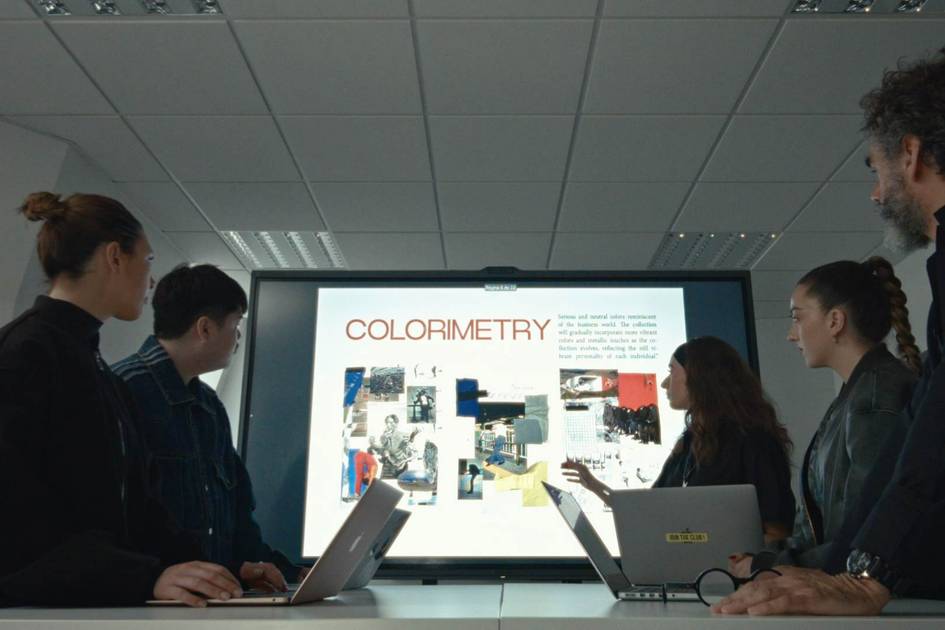
Students starting a fashion business degree next year will graduate in 2030, into an industry that artificial intelligence (AI), sustainability pressures and shifting business models are still reshaping. That leaves schools with a fundamental question: what do you teach when nobody can yet say what half those jobs will be called? FashionUnited put it to programme leaders, teaching professionals and students at international fashion school ESMOD, which recently set up a Fashion & Luxury Skills Observatory to help answer it.
Why it matters
AI is becoming less of a tool and more of a collaborator. For Bénédicte Fabien, Fashion Business Programme Director at ESMOD International, that shift fundamentally changes what fashion schools need to teach. It can analyse data, generate content, even contribute to creative and strategic processes. Paradoxically, she argued, those advances make human judgement more valuable rather than less, since tomorrow's best professionals "will not be those who simply know how to use AI tools, but those who know how to ask them the right questions."
The same emphasis on discernment over technical fluency runs through the classroom. Jean-Loup Rebours, Lecturer in Press Relations and Communication at ESMOD Paris/Pantin and founder of Paris PR agency FAXION, said writing skills most often fall short of employer expectations, as graduates increasingly delegate writing to large language models rather than practising it. Emmanuelle Silvestre, Lecturer in International Marketing, Retail and Distribution at ESMOD Lyon, addresses this by structuring assignments around three tiers of AI use, from none to full integration, treating it as a professional tool rather than a substitute for expertise.
That distinction already shapes how students work. Théo Defour, Bachelor Fashion Business student at ESMOD Lyon (2023 to 2026), uses AI to synthesise information while rigorously fact-checking sources, insisting the final creative decision remains his own. For Lolie Cornier, Bachelor Fashion Business student at ESMOD Bordeaux (2023 to 2026), the tool is only as good as the thinking behind it: without vision or sensibility, she said, AI "tends to produce fairly generic results." Both see AI less as a threat to entry-level work than as a filter, freeing them to focus earlier on the judgement calls machines cannot make.
This news brief is based on reporting published by FashionUnited on 2026-10-07. The original report is linked below.
FashionUnited
https://fashionunited.com/education/schools/esmod-what-fashion-business-education-needs-to-become-by-2030/2026100775026This independent news brief is based on the public source identified above. It is an original summary or translation, not a reproduction of the source article. Rights in source text, research, trademarks and images remain with their respective owners; images are used under the licence or permission identified in the credit. Rights holders may contact rights@goodproductasia.com with evidence of ownership. Verified concerns will be corrected, replaced or removed promptly. This report is not investment, legal, medical or purchasing advice.